Disclosure: this article contains affiliate links — we may earn a commission on qualifying purchases at no extra cost to you.
Photobiomodulation (PBM) uses red and near-infrared light, usually at 630-680nm and 800-880nm, to stimulate cytochrome c oxidase in mitochondria. The downstream effects include more ATP, reduced inflammation, and improved tissue repair, per a JAAD PBM dermatology review (2024).
Evidence quality varies wildly across conditions. Hair regrowth and muscle recovery sit on solid RCT ground. Transcranial depression treatment is promising but early. Sleep and thyroid claims rely on tiny studies. This list ranks the 10 most-marketed PBM uses by actual evidence strength, with FDA status and the wavelengths used in studies.
We use three evidence tiers throughout: Tier 1 (multiple RCTs or meta-analyses), Tier 2 (limited RCTs, mostly positive), and Tier 3 (small pilots, case series, or mechanism-only data).
At a Glance: 10 Conditions Ranked by Evidence
| Rank | Condition | Evidence Tier | FDA-Cleared Device | Verdict |
|---|---|---|---|---|
| 1 | Wound Healing | Tier 1 (meta-analysis) | Anodyne Therapy System | Best evidence-supported PBM use |
| 2 | Hair Regrowth | Tier 1 (multiple RCTs) | HairMax, iRestore, Capillus | FDA-cleared for androgenetic alopecia |
| 3 | Muscle Recovery | Tier 1 (34-RCT meta-analysis) | None specific (general wellness) | Strongest sports evidence |
| 4 | Skin Aging | Tier 1 (split-face RCTs) | Multiple LED panels via ILY code | Modest but real wrinkle reduction |
| 5 | Acne | Tier 2 (RCT-supported) | Omnilux Clear, LightStim | Works for mild-to-moderate |
| 6 | Arthritis Pain | Tier 2 (Cochrane moderate-quality) | Multiple pain devices | Short-term relief, limited duration |
| 7 | TBI / Concussion | Tier 2 (emerging RCTs) | None FDA-cleared for TBI | Promising, dose unsettled |
| 8 | Depression (tPBM) | Tier 2 (pilot trials) | None FDA-cleared for MDD | Dose-dependent, early evidence |
| 9 | Hashimoto's Thyroid | Tier 3 (small trials) | None FDA-cleared for thyroid | Off-label, results not replicated at scale |
| 10 | Sleep Optimization | Tier 3 (mostly mechanism) | None FDA-cleared for sleep | Indirect benefit via blue-light avoidance |
1. Wound Healing — Strongest Evidence Base (Verdict: Best evidence-supported PBM use)
Wound healing, especially diabetic foot ulcers and post-surgical wounds, is the most-studied PBM application. A 2021 meta-analysis of 13 RCTs with 413 patients found LLLT more than doubled the complete healing rate compared to standard care, per the Huang et al. International Wound Journal meta-analysis (2021).
A larger 2024 systematic review covering 11 studies confirmed reduced wound area and shorter healing time, per the Wound Healing PMC systematic review (2024). GRADE quality is rated low to moderate because of study heterogeneity, but the directional effect is consistent across decades.
Wavelengths used: 632.8nm helium-neon laser, 660nm and 808-904nm diode lasers. Dose range: 1-10 J/cm². The Anodyne Therapy System is FDA-cleared for temporary increase in circulation and pain relief. Contraindication: active malignancy in the treatment field. Diabetic patients should coordinate with their wound-care team — PBM is adjunctive, not standalone.
2. Hair Regrowth — FDA-Cleared, Multiple RCTs (Verdict: Most validated cosmetic PBM use)
Androgenetic alopecia (pattern hair loss) has the cleanest FDA paper trail. The HairMax LaserComb received the first home-use LLLT clearance in 2007, with the Laser 272 PowerFlex and RegrowMD Cap cleared in 2018 for both men and women per the HairMax FDA clearances page (2026). Capillus, iRestore, and Theradome hold similar clearances.
A 16-week, multicenter, randomized, double-blind sham-controlled trial of a helmet-type device showed significant hair density gain over sham per the Kim et al. helmet LLLT trial PMC (2020). HairMax publishes data showing about 129 new hairs per square inch after 6 months.
Wavelengths used: 650-680nm laser diodes. Sessions are typically 15-30 minutes, 3 times per week. Indications cover Norwood-Hamilton II-V (men) and Ludwig I-II (women) with Fitzpatrick I-IV skin. Contraindication: photosensitizing medications. See our hair regrowth caps comparison for device picks.
3. Muscle Recovery — Strong Sports Evidence (Verdict: Most validated athletic use)
Pre-exercise PBM is one of the better-supported wellness uses. A 2024 meta-analysis of 34 RCTs found PBM significantly improved muscle endurance and accelerated strength recovery in athletes and sedentary populations per a muscle recovery meta-analysis summary (2024).
Earlier work by Leal-Junior covered 22 controlled studies and reported reduced post-exercise creatine kinase (a muscle-damage marker) and lower delayed-onset soreness per a Leal-Junior PBM Photomedicine review summary. Timing matters: pre-exercise dosing outperforms post-exercise in most trials.
Wavelengths used: 660nm + 850nm combinations dominate, with doses around 20-60 J/cm² per muscle group. No PBM device is FDA-cleared specifically for athletic recovery — most panels carry the general ILY code for "minor muscle aches." Contraindication: dosing above 100 J/cm² may trigger a biphasic reversal where benefit drops.
4. Skin Aging — Real but Modest Wrinkle Reduction (Verdict: Good cosmetic use, manage expectations)
Skin rejuvenation has a respectable RCT base. A split-face placebo-controlled trial randomized patients to 640nm red, 830nm infrared, both, or sham; reductions in wrinkle severity reached 26%, 33%, and 36% across the active arms per a Lee et al. LED skin rejuvenation trial (2007). Histology showed increased collagen and elastic fibers.
Goldberg and Whitworth followed with combined 633nm + 830nm work, with periorbital wrinkle softening in 80% of subjects per a JCAD LED phototherapy review (2018). The American Academy of Dermatology notes the effect is modest and gradual rather than dramatic per the AAD red light therapy patient page.
Wavelengths used: 633nm + 830nm, doses around 50-100 J/cm². Panels marketed for skin carry FDA Class II registration under the ILY heat-lamp code, not a dermatology-specific clearance. Realistic outcome: smoother texture and fine-line softening, not a tretinoin replacement.
5. Acne — FDA-Cleared Masks, Mild-to-Moderate Only (Verdict: Works for mild-to-moderate, not severe)
Acne is the one cosmetic PBM use with a clean FDA-cleared device path. Omnilux Clear and LightStim hold 510(k) clearances for mild-to-moderate inflammatory acne. The mechanism uses dual wavelengths: 415nm blue targets C. acnes bacterial porphyrins, while 633nm red reduces inflammation and sebaceous activity per a JCAD 415/633nm phototherapy trial (2024).
Open-label and split-face studies report 50-70% lesion-count reductions over 4-8 weeks. The American Academy of Dermatology confirms safety per the AAD red light therapy page. For nodulocystic acne, topicals and oral systemic therapy remain first-line.
Wavelengths used: 415nm blue + 633nm red, alternating or simultaneous. Typical protocol: 10-20 minutes, 2-3 times weekly for 6-12 weeks. Contraindication: photosensitizing medications like isotretinoin or doxycycline. Skip the device if you're on either.
6. Arthritis Pain — Cochrane-Supported, Short-Term (Verdict: Real short-term relief, not a cure)
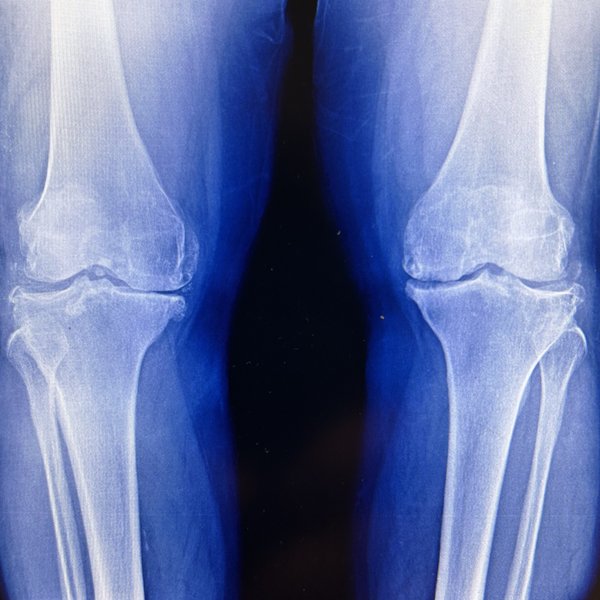 X-ray of knee osteoarthritis — by NP2025 (CC BY-SA 4.0)

The Cochrane Musculoskeletal Group has reviewed LLLT for rheumatoid arthritis and osteoarthritis. The 2005 RA review concluded LLLT could be considered for short-term pain and morning-stiffness relief, with few side effects per a Cochrane LLLT review summary. A 2024 network meta-analysis on knee OA found 780-860nm gave clinically meaningful pain relief versus sham per the Knee OA wavelength network meta-analysis (2024).
Effects are short-term. Pain returns weeks after treatment stops. Quality of evidence is moderate at best, with dose and wavelength heterogeneity making protocol standardization tough.
Wavelengths used: 780-860nm and 904-905nm, typically 4-8 J/cm² per joint. Many wraps and belts carry FDA Class II registration. See our red light therapy wraps and belts for joint pain guide. Contraindication: injectable corticosteroid sites within 2 weeks (may interfere with steroid distribution).
7. TBI and Concussion Recovery — Promising, Dose Unsettled (Verdict: Emerging — worth watching, not yet standard care)
Transcranial PBM for traumatic brain injury is the most exciting frontier in the field. A 2024 mechanistic review in Cells covered cellular evidence including reduced microglial activation, improved cerebral blood flow, and protected mitochondrial function per a TBI photobiomodulation review (2024).
Clinical evidence is smaller. A Radiology study found LLLT within 72 hours of moderate TBI improved resting-state functional connectivity early in recovery. A single-center RCT showed lower Rivermead Post-Concussion Symptom Questionnaire scores with no adverse events per the Concussion Alliance PBM resource page.
Wavelengths used: 810nm and 1064nm, transcranially with helmets or scalp-applied LEDs at 10-30 J/cm². No device holds FDA clearance specifically for TBI as of 2026. Contraindication: active intracranial bleeding. PBM should never replace standard concussion management.
8. Depression — Transcranial PBM Pilot Trials (Verdict: Mechanism plausible, dose uncertain)
Transcranial PBM (tPBM) for major depressive disorder has pilot-trial evidence. The ELATED-2 pilot showed antidepressant effects with 808nm at the forehead per the ELATED-2 tPBM pilot trial (2018). A 2023 systematic review and meta-analysis of RCTs found PBM improved depression symptoms with moderate effect sizes per the Frontiers in Psychiatry PBM meta-analysis (2023).
Recent dose work matters. A 2024 wearable self-administered tPBM RCT in MDD found the device tolerable but the low dose insufficient for antidepressant effect, though sleep quality improved per the wearable tPBM RCT (2024). Dose finding remains unfinished.
Wavelengths used: 808-830nm, typically 25-30 J/cm² to the forehead. No tPBM device is FDA-cleared for MDD. Contraindication: photosensitizing antidepressants and active suicidal ideation requiring inpatient care. tPBM is adjunctive, never a first-line replacement for SSRIs or therapy.
9. Hashimoto's Thyroid — Small Trials, Off-Label (Verdict: Intriguing pilots, evidence not at scale)
Hashimoto's thyroiditis sits in Tier 3 territory. A 2013 randomized placebo-controlled study of 43 patients reported reduced levothyroxine requirements, with 47% of treated patients discontinuing thyroid medication during 9-month follow-up per a Paloma Health thyroid LLLT science page review. A 2010 pilot in 15 patients showed decreased TPO antibodies.
The catch: these are small, mostly from one research group in Brazil, and not replicated in large multi-site trials. A 2022 Lasers in Medical Science systematic review called LLLT "promising as adjunctive therapy" while noting evidence quality limitations.
Wavelengths used: 830nm to the thyroid bed, doses around 50 J/cm² per session, multi-week protocols. No device is FDA-cleared for thyroid use. Contraindication: thyroid nodules with suspicion of malignancy. Anyone considering this should work with an endocrinologist, not self-treat — thyroid hormone changes need lab monitoring.
10. Sleep Optimization — Mostly Indirect Benefit (Verdict: Weakest evidence; mostly via blue-light avoidance)
Sleep is the most-hyped, least-validated PBM application. The clearest mechanism is indirect: evening exposure to red and near-infrared light (660-850nm) doesn't suppress melatonin the way blue light does per a red vs blue melatonin comparison study. Swapping evening blue light for warm red light can help circadian alignment.
Direct PBM-for-sleep evidence is thin. A double-blind RCT of 850nm NIR at 6.5 J/cm² over four weeks showed improved mood and reduced drowsiness but no significant sleep or circadian effects per the NIR wellbeing RCT PMC (2023). The earlier-cited wearable tPBM trial for MDD did show sleep-quality improvement as a secondary outcome.
Wavelengths used: 660-850nm before bed at low doses. No device is FDA-cleared for sleep. Realistic mechanism: red light at night doesn't wreck your circadian clock the way overhead LEDs do. That's a real benefit. Claims of direct PBM-induced sleep improvement remain unproven.
How We Ranked
Red-light-therapy rankings combine:
- Verifiable device + studio attributes: wavelength specification (the 660nm/850nm gold standard), irradiance (mW/cm² at distance), FDA Class II 510(k) clearance status, and treatment-protocol documentation.
- User-reported outcomes: Google reviews from the past 24 months, r/redlighttherapy, and skin-condition-specific subreddits. We pay attention to patterns in irradiance mismatch claims, eye-protection complaints, and burn reports.
- First-hand testing where feasible: editorial visits and at-home device testing with calibrated power-meter verification.
What we never accept: paid placement, manufacturer relationships that would influence wavelength or irradiance recommendations. Disclosure: affiliate links to home-device brands (Joovv, Mito, BioLight) appear on device-comparison pages — these never affect studio rankings.
Update cadence: quarterly. Email research@redlighttherapyfind.com for corrections.
Frequently Asked Questions
Q: Which red light therapy use has the strongest clinical evidence? A: Wound healing (especially diabetic foot ulcers), hair regrowth for androgenetic alopecia, and pre-exercise muscle recovery have the strongest RCT and meta-analysis support. All three sit in Tier 1 evidence with consistent positive findings across multiple studies.
Q: Are any red light therapy devices FDA approved for specific conditions? A: Yes, but "FDA cleared" is the right phrase, not "approved." HairMax, iRestore, Capillus, and Theradome hold 510(k) clearances for androgenetic alopecia. Omnilux Clear and LightStim hold clearances for mild-to-moderate acne. The Anodyne Therapy System is cleared for circulation and pain relief.
Q: What is the difference between FDA cleared, FDA approved, and FDA registered for PBM devices? A: FDA approved means the device went through PMA review with full clinical trials (rare for PBM). FDA cleared means 510(k) substantial equivalence to a predicate device (most validated PBM uses). FDA registered means the manufacturer paid a fee and listed the device — no efficacy review, often under the ILY heat-lamp code.
Q: What wavelengths are best for what conditions? A: 415nm blue for acne bacteria, 633nm red for skin and inflammation, 660nm for wound healing and superficial tissue, 808-850nm for muscle recovery and deeper joints, and 810-1064nm for transcranial applications. Most validated protocols combine 660nm with 850nm for general use.
Q: When should I avoid red light therapy? A: Skip PBM if you are on photosensitizing medications (isotretinoin, doxycycline, some antidepressants), have active malignancy in the treatment field, suspected thyroid nodules, active intracranial bleeding, or are pregnant without clearance from your obstetrician. Always consult a clinician for serious conditions — PBM is adjunctive, never a standalone replacement for evidence-based care.
Related Reading: Pair this with our home red light therapy panels comparison for device picks, the red light wavelengths guide for the science behind 630/660/850nm, and the at-home vs professional red light therapy breakdown for treatment-setting decisions.
-- The Red Light Finder Team